Sunwoda's 15C Megawatt tech means full battery in less than 10 minutes
Stopping to charge an electric car used to mean a bit of a lifestyle adjustment. You would pull into an empty service station, fight with a cable thick as an anaconda, pray the card reader works, and then pace around for forty-five minutes with the battery slowly seeping in electrons. If you enjoy the open road, the romance of a crisp morning sprint used to come with an asterisk: the fun-busting midway compulsory stop. But if you look at the slugfest happening in the East, that entire paradigm is being pushed into the history books.
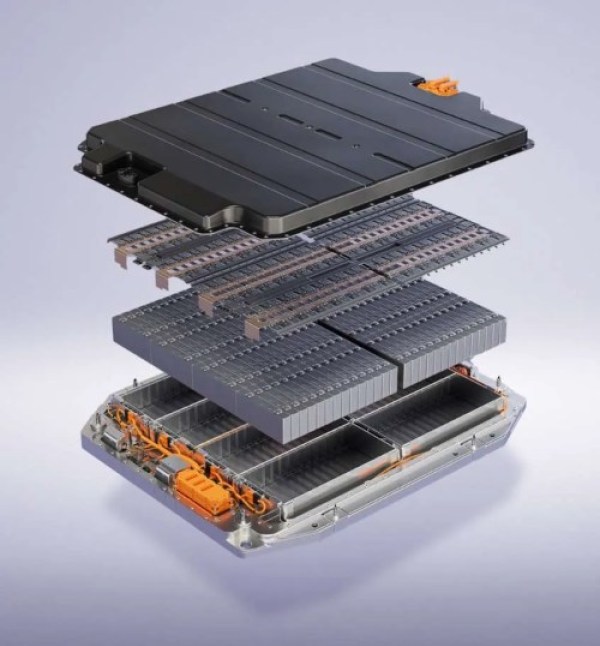
The latest news comes courtesy of Sunwoda Electric Vehicle Battery Co Ltd - a Chinese supplier that spent years building consumer electronics batteries before moving to automotive cells. Debuting its new 15C smart flash charging battery system at an industry summit in Zaozhuang, Shandong, Sunwoda is promising something that sounds fictional to anyone raised on early 400V architectures: a 10% to 70% recharge in 5 minutes at room temperature, and a run from 10% to 97% in 9 minutes flat.
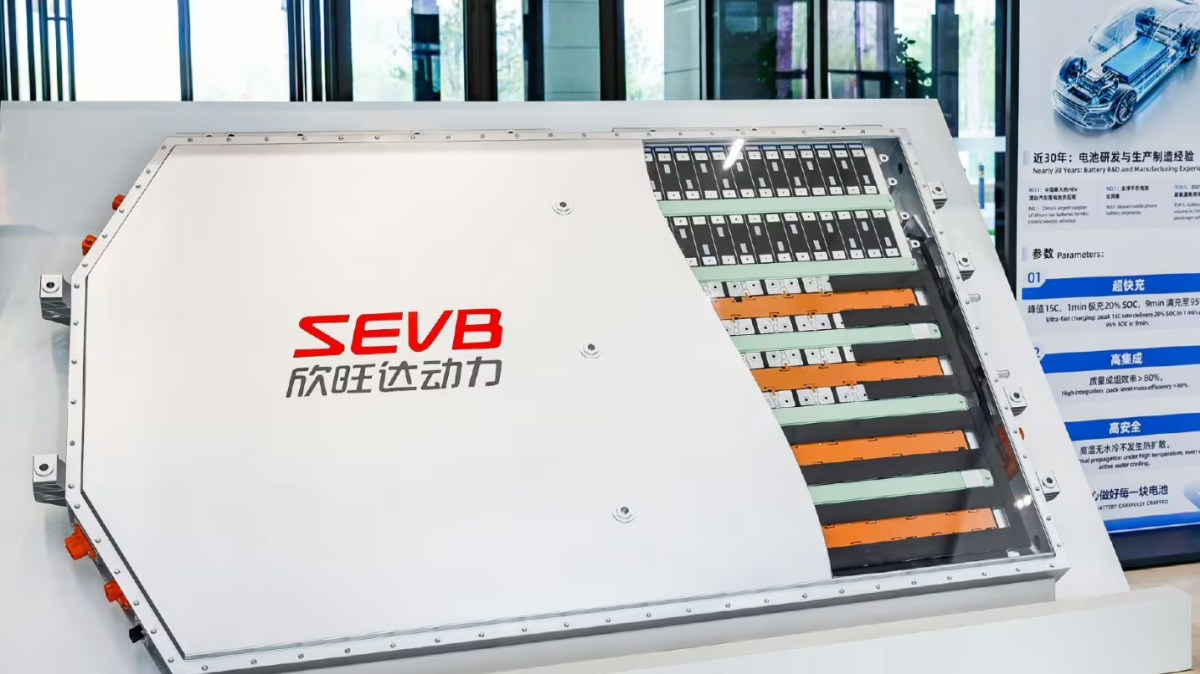
The really fascinating part is that it kills the old conversation topic: the "charging curve." Anyone who tracks battery telemetry knows the secret of fast charging: a car might reach a headline peak figure, only to hold it for sixty seconds before the thermal throttling kicks in and sends the charging speed off the cliff.
Sunwoda's benchmark of taking a battery pack all the way to 97% state of charge in 9 minutes suggests a sustained C-rate that doesn't know what tapering is. Better still, the pack is engineered to deliver a total driving range exceeding 435 miles on a full charge. If true, that is a genuine cross-country number, and the range anxiety becomes a story we tell kids when we talk about the "good old days."
Of course, the skeptics will ask about the winter penalty. Cold weather has always been the kryptonite of lithium chemistry, turning fast chargers into trickle boxes as battery management systems try to heat the coolant loops. Sunwoda claims that even at a brutal -4°F, the system will reportedly take a battery from 10% to 97% in 15 minutes. Sure, it is roughly six minutes longer than the room-temperature sprint, but it is still faster than most production EVs manage in ideal summer conditions.
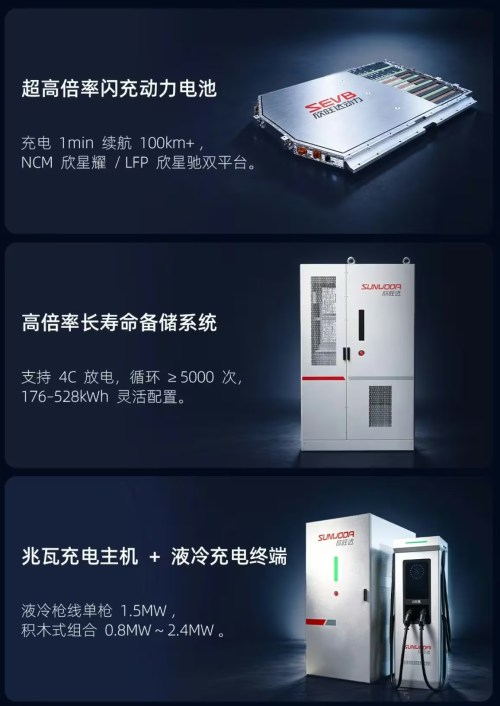
We have to remember, though, that raw speed usually triggers more problems: dendrites, thermal stress, and premature pack death. Pumping this kind of amperage into lithium cells has always been catastrophic for long-term health. To reassure private motorists that its tech is kosher, Sunwoda is slapping a warranty on the system covering 10 years or 186,000 miles, explicitly confirming there is zero cap on flash-charging sessions for non-commercial drivers.
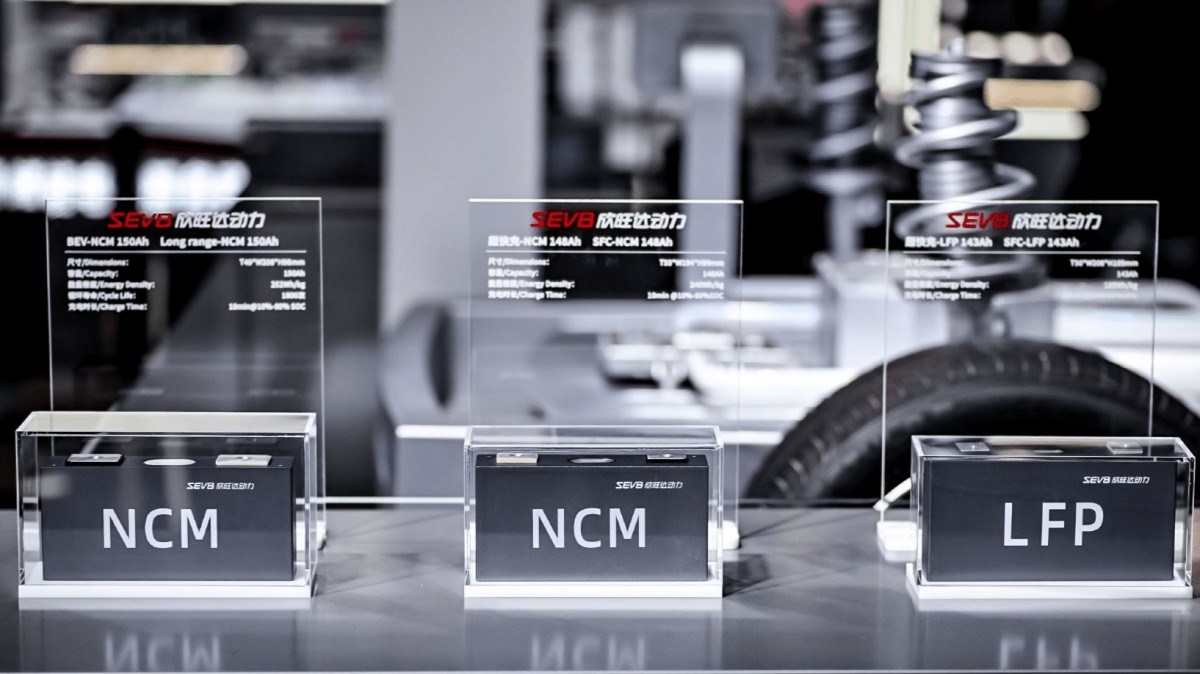
Backing that brave approach is an arsenal of silicon babysitters: the new battery uses what Sunwoda calls Smart Battery Cells 3.0, coupled to an energy domain controller and an AI-driven cloud-monitoring brain. The company insists the setup can sniff out early faults across twenty different operational categories between two and ten days before they actually fail, claiming a 99.77% diagnostic accuracy rate.
Of course, a battery capable of taking megawatt levels of power is nothing more than expensive ballast if the infrastructure does not exist. Sunwoda knows it, which is why it announced an open-ecosystem rollout of 10,000 megawatt charging stations by the end of 2027. This charging architecture brings together onsite solar generation, dedicated stationary battery storage, liquid-cooled dispensers, and an intelligent dispatch backbone capable of serving multi-brand fleets.
Sunwoda is diving headfirst into an all-out arms race: back in March, BYD revealed its second-generation Blade Battery and ultra-high-rate flash chargers with the exact same 5-minute and 9-minute charging milestones before going on to notch its 10,000th operational flash station in late August, with 20,000 planned by 2026. State-backed Hongqi posted laboratory results in July alongside battery partner CNET, recording a 10% to 70% dash in an absurd 3 minutes and 41 seconds. Dongfeng showed off a prototype liquid-cooled dispenser capable of spitting out 1,500 kW per plug, matching BYD's peak hardware, and XPeng pushed the envelope internationally by switching on its first X-Energy public megawatt station in Hong Kong, pairing 1-megawatt dispensers with a 400 kWh buffer battery.
But what about Western markets? The Porsche Taycan, with its 800V architecture, is a high-water mark of German engineering prowess: its latest 105 kWh Performance Battery Plus takes 18 minutes to go from 10% to 80% under pristine conditions, pulling a maximum of 320 kW. Tesla's proprietary V3 or V4 Supercharger will feed the Model S at a peak rate of 250 kW, demanding roughly 25 to 30 minutes for a similar sprint. If you find yourself in a Mercedes-Benz EQS, you are staring at 31 minutes to run from 10% to 80%.
The implications are monumental. Electric cars never had a problem with straight-line performance - any twin-motor EV can dispatch the zero-to-sixty dash with brutal efficiency. But packing hundreds of kilograms of a battery just to guarantee a usable highway stint, turns nimble sports saloons into three-ton beasts. If we can add hundreds of kilometers of real-world range in the time it takes to wipe the windscreen - we no longer need 120 kWh packs.
Unfortunately, Sunwoda has played its cards close to the chest when it comes to operational details. The company was quiet on which production vehicle models will debut this 15C pack, and it did not reveal the financials needed to build ten thousand megawatt chargers across the country. Going from laboratory benchmarks to all-weather hardware that endures years of consumer abuse is the hardest thing. If Sunwoda delivers on its ambitious timeline, pulling over for a top-up will soon take no more time than putting thirty liters of high-octane into a petrol tank.



From the team behind
GSMArena.com
Facebook
Twitter
Instagram
RSS
Settings
Log in I forgot my password Sign up